Rubbish Removal in Ealing for Homes, Businesses and Clearance Jobs
Rubbish Removal Ealing provides a straightforward local service for clearing unwanted waste from homes, workplaces and outdoor spaces across the area. Whether you are dealing with a single bulky item, a fuller property clearance or ongoing waste from a refurbishment, the aim is to remove the right material safely and leave the space ready for its next use. We keep the service focused on practical clearance work, with clear options for different types of rubbish and site conditions.
Our main service is built around rubbish removal in Ealing, with supporting pages for house clearance, office clearance and builders waste disposal. That means you can look at the relevant service page for the kind of load you need dealt with, rather than trying to fit every job into one category. The work may involve mixed general rubbish, bulky household items, office furniture, renovation debris or accumulated clutter that needs sorting before removal.
For a quick next step, review the service that best matches your job and then ask for a quotation. If you already know what needs clearing, a short summary is usually enough to begin. For more detailed service information, you can also use the services overview or the prices page before you enquire.
Household Rubbish Removal and Property Clearance
Household clearance work often needs more than simply lifting items away. It can involve separating reusable possessions, identifying heavier furniture, and deciding how to handle mixed material from different rooms. The house clearance service is suited to situations where several items need removing together, while the wider rubbish removal service is useful for less structured loads that still need prompt attention. This kind of work is best approached with care so that access, handling and disposal are all matched to the property.
There are times when the load is small and straightforward, and other times when a house contains awkward, heavy or dispersed waste that takes more planning. Common examples include broken furniture, old appliances, bagged junk, loft contents or mixed domestic rubbish left after a clear-out. If you are unsure which service is the best fit, the key is to think about whether the job is a single-load removal or a fuller clearance that needs more sorting on site. A short description of the items usually helps the process move along neatly.
What helps a household job go smoothly
Before asking for a quote, it helps to note the main item types, whether anything is especially heavy or awkward, and whether there are stairs, shared entrances or limited parking to consider. A brief list is often more useful than a long explanation, especially if the waste is spread across several rooms. If you want to compare a wider range of options, the waste clearance page gives another way to think about general domestic and mixed rubbish removal.
Office, Commercial and Light Business Clearance
Commercial clearance is different from domestic work because the items often have to be removed with less disruption to daily operations. Office furniture, filing, packaging, shelving and unwanted fixtures may all need attention, and the right approach depends on how much has to go and how it is stored. The office clearance service is designed for workspaces that need to be cleared in a tidy, organised way, while the main rubbish removal service can support smaller mixed business loads.
When a business needs clearance, the practical questions tend to be access, item size and how much sorting is involved. Some jobs are simple because items are already grouped together; others require more handling because materials are dispersed across a room, storeroom or shared building. For larger or more varied loads, the our services page can help you compare the available service categories before you choose the most suitable one. This is especially useful when you need one provider to deal with different kinds of waste from the same premises.
Keep your enquiry concise but specific. If the job involves desks, chairs, cabinets or mixed office clutter, mention the main items and any timing constraints. You do not need to write a long brief, but a clear summary makes it easier to match the service to the work. For office and business customers, a tidy handover usually matters as much as the removal itself, so clarity at the outset is valuable.
Builders Waste, Garden Waste and Mixed Outdoor Loads
Builders waste and garden waste need different handling, even though both often involve outdoor access and bulkier material. Renovation debris may include timber, packaging, plasterboard, offcuts and broken fittings, while garden work can produce green waste, soil, branches and mixed cuttings. The builders waste disposal page is the better fit for construction-related debris, while the garden waste removal service covers waste from outdoor maintenance and landscaping.
These jobs often depend on how the material is presented. A neat pile beside a driveway is easier to remove than loose waste spread across a site, and heavy or damp material may require more care than dry, bagged waste. If a project produces mixed loads, the service may need to account for both structural debris and general rubbish, especially where the waste has built up over several stages of work. That is why it helps to separate what is garden material, what is building debris and what is just household clutter.
Useful details to mention when requesting a quotation include the type of waste, the approximate volume, whether the load is bagged or loose, and whether access is from the front, rear or through a shared route. The final amount of work can vary widely between a small tidy-up and a larger clear-out, so accurate description matters. If you are dealing with a broader clean-out rather than one specific waste type, the general rubbish removal page may be the simplest place to start.
Choosing the Right Clearance Option
The right service depends less on the word “rubbish” itself and more on what is actually being removed. A few bagged items, a roomful of furniture, garden cuttings and renovation waste each need slightly different handling. That is why the site separates waste clearance, household clearance, office clearance and builders waste disposal into clearer categories. The aim is to help you choose the most suitable route without overcomplicating a job that is actually quite straightforward.
For many customers, the decision comes down to scale and composition. If the load is mostly one category, such as garden cuttings or office furniture, a specialist page is a good starting point. If the items are mixed, general waste clearance or rubbish removal may make more sense. In either case, the purpose is the same: to arrange a practical collection that deals with the load in a way that suits the property and the material involved. A good description at the start prevents confusion later.
When a mixed load needs extra thought
Mixed loads are common in homes, workplaces and refurbishment projects. They may include hard rubbish, soft furnishings, cardboard, timber, packaging and miscellaneous small items all together. When that happens, it helps to think about the whole load rather than describing only one obvious part of it. If you can identify the heaviest items and the main material groups, the quotation process becomes clearer and the service can be matched more accurately to the work involved.
Pricing, Access and Quotation Details
Pricing for clearance work usually depends on the amount of waste, the type of material, how easy it is to reach, and whether the load requires sorting or handling beyond a simple collection. The pricing and quotes page is the most useful place to review the overall approach before you request a price. Some jobs are best described by item count, while others are better explained by volume, room contents or a mixed list of debris.
Access can affect the practical side of the job just as much as the waste itself. Stairs, narrow entrances, shared corridors, limited parking and difficult loading points all influence how the work is organised. If you are comparing options, the payment and security page and the insurance and safety page provide further context for the commercial side of the service. These pages are useful when you want a better understanding of the arrangements before you confirm anything.
For a quotation, keep your message factual and simple: what needs removing, where it is located, and whether the waste is bagged, loose, heavy or broken down already. If you are asking about a larger or more varied clearance, it is worth mentioning whether the property is occupied, empty or undergoing work. Request a quotation when you are ready, and include enough detail for the job to be assessed properly.
Service Standards, Safety and Payment Information
Clearance work involves physical handling, so safety matters at every stage. Heavy items, sharp edges, unstable stacks and awkward routes all need attention, particularly where waste has been stored for a while. The insurance and safety page is there to explain the sort of precautions that support a more controlled job. It is sensible to think about safe lifting, access routes and whether anything needs to be separated before the load is moved.
Customers often want to know how payment is handled and what to expect once a quotation is agreed. The payment and security page gives a clearer picture of the practical arrangements around that part of the service. While every job is different, a transparent process is important because it helps avoid confusion over what is included and how the work is settled. That is especially useful when a clearance involves several item types or several rooms.
Preparation does not need to be complicated. If possible, separate anything that must stay from anything that is going, and note any item that is particularly fragile, heavy or awkward to lift. For many customers, the best next step is simply to pick the most relevant service page and send a concise enquiry. Contact us to request a quotation for your clearance.
About Ealing
Ealing is a large district in west London with a long history as a settlement that developed from village origins into a well-known suburban centre. Its older street pattern, churches and surviving historic buildings sit alongside later housing, shopping streets and transport links that reflect the area’s growth during the nineteenth and twentieth centuries. Ealing Broadway remains one of the best-known focal points, combining retail, travel connections and everyday civic activity. The district also includes a range of residential neighbourhoods with their own character, from tree-lined streets and mansion blocks to quieter side roads and more modern development. Walpole Park is one of the most recognisable green spaces in the borough, associated with the former Pitzhanger Estate and with a landscape that has been adapted for public use over time. The area is also strongly connected to its film heritage, with the famous Ealing Studios contributing to its cultural reputation well beyond west London. Local churches, libraries, schools and community venues add to the sense of a place that is both residential and active, while nearby transport corridors make it a practical hub within the wider city. Ealing’s built environment shows many layers of change, and that mix of old and new is part of what gives the district its distinct identity.
Household Clearance Planning and Practical Collection
When rubbish removal is arranged for a home, the best results usually come from describing the job in a tidy, realistic way. One room may contain a handful of items, while another may hold a fuller mix of furniture, bags and loose waste. The testimonials page can help you get a sense of how others have described their jobs, but the most useful information for your own quotation is still a simple account of the items you want gone and where they are located.
For household work, it can help to divide the load into broad groups: furniture, white goods, bagged waste, loft contents, garage clutter or general mixed rubbish. That does not require a full inventory, only a sensible outline. If the load is mainly one type, such as household clutter, then rubbish removal in Ealing may be the most suitable route; if it is a full property clean-out, the house clearance page is usually more relevant. This distinction keeps the service aligned with the scale of the job.
Before you ask for a quotation, a quick note about what stays, what goes and whether there are any access issues is often enough. Clear, specific information tends to lead to a more accurate response than a vague summary. If you are ready to move forward, choose the page that best matches your job and make your enquiry there. That is usually the fastest way to start a proper quotation.







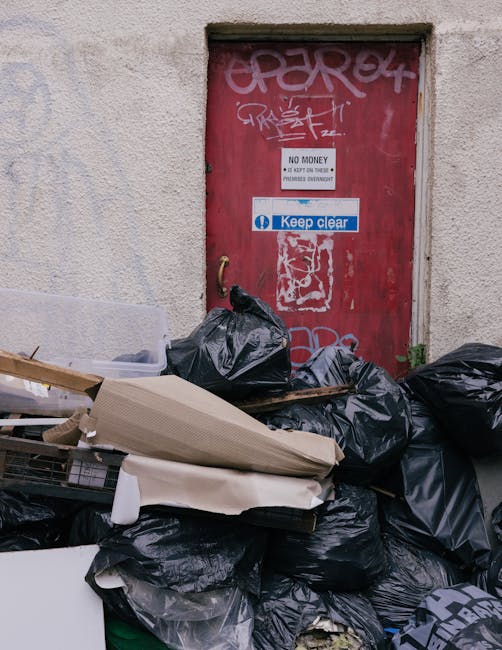 Avoid hidden rubbish removal fees in Ealing what to know
 Walpole Park garden waste removal in Ealing
 Northfields Ealing household waste collection tips
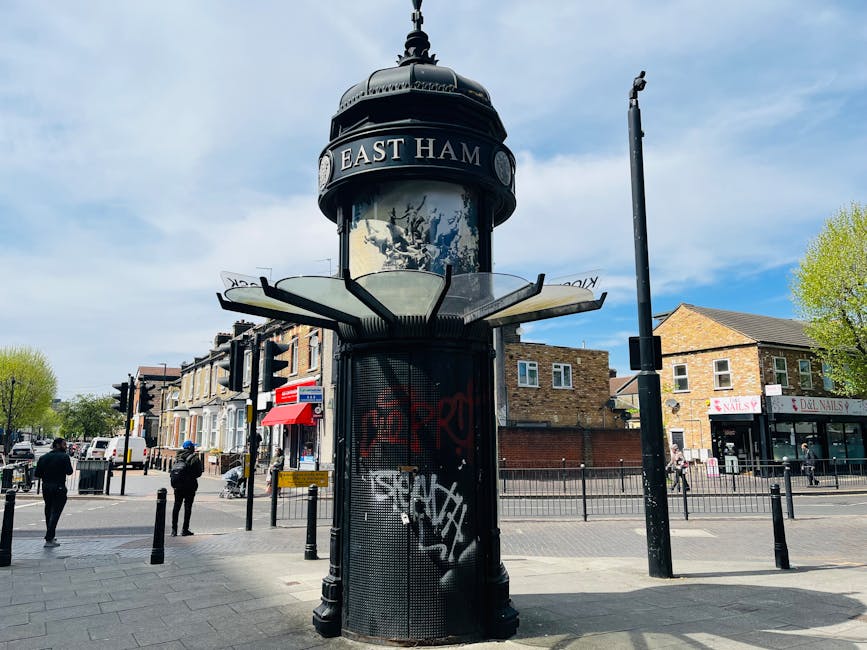 West Ealing rubbish clearance near Pitshanger Lane essentials
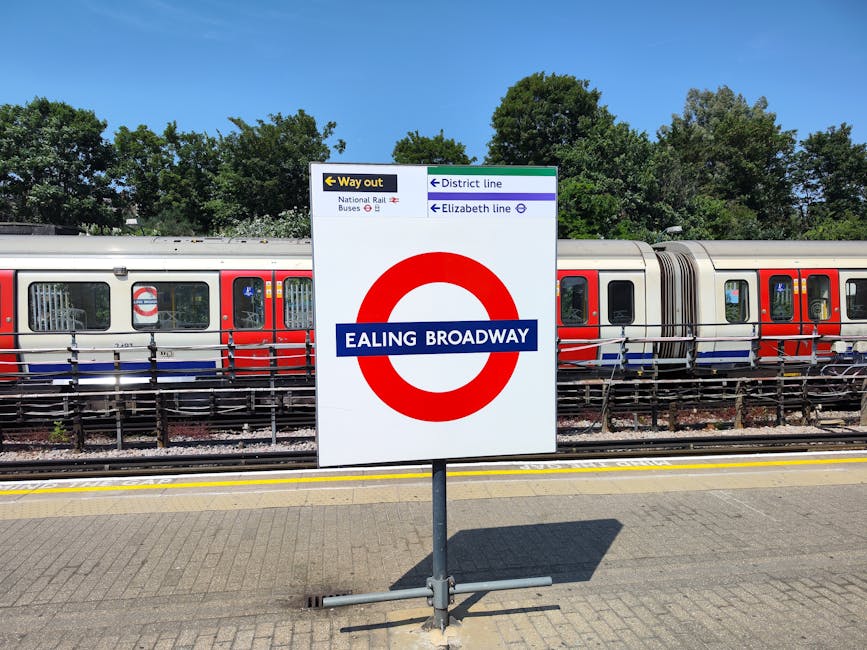 Rubbish removal Ealing Broadway W5 local guide
 Outstanding Ealing Party Locations
 Step into Ealing: Where Tradition Meets Trendiness in This Lively London Neighborhood
 Ealing: Resident Reviews and Advice
 How to Purchase in Ealing
 Ealing Real Estate: Investment Fundamentals