





Northfields Ealing household waste collection tips
Posted on 14/07/2026
Northfields Ealing Household Waste Collection Tips: A Practical Local Guide
If you live in Northfields or nearby parts of Ealing, household waste can become a bigger job than it first looks. One week it is a few tidy bags. The next, it is broken packaging, garden cuttings, an old chair, and a mystery pile from the back of a cupboard. These Northfields Ealing household waste collection tips are designed to help you keep things simple, safe, and compliant without turning rubbish day into a small disaster.
In practice, waste collection works best when you plan a little, separate items early, and know what can go where. That sounds obvious, but let's face it, most people only think about it when the bags are already on the pavement and time is running out. This guide walks through the whole process: why it matters, how to do it properly, common mistakes, and when a more complete clearance solution may make life easier.
For readers looking beyond the basics, it can also help to understand the wider local picture. Our services overview is a useful starting point if you want to see how household waste fits alongside other clearance needs, from one-off collections to bigger property clear-outs.

Why Northfields Ealing household waste collection tips Matters
Household waste collection is not just about making the kerb look neat for a few hours. It affects hygiene, safety, kerbside access, recycling rates, and even how smoothly your week runs. In a place like Northfields, where streets can be busy, parking can be tight, and properties often mix flats, terraces, and family homes, the small details really matter.
Good waste habits also protect you from avoidable problems. Missed bins, leaking bags, overflow at the front of the house, and mixed recycling can all create stress. On a damp London morning, a split rubbish bag on the pavement is no one's idea of fun. It smells, it attracts pests, and it makes the whole street feel untidy.
There is also a broader sustainability angle. Sorting waste correctly means more materials can be recycled or handled responsibly. If you want a broader look at responsible disposal habits, the page on recycling and sustainability is worth reading alongside this guide.
Expert summary: the most reliable waste collection routines are the boring ones. Bag early, separate properly, store safely, and remove anything unusual before collection day turns messy.
How Northfields Ealing household waste collection tips Works
The basic idea is simple: put the right waste in the right place at the right time. The reality is a little more layered. Most households create several waste streams, not one single pile. Think general rubbish, dry recycling, food waste, garden waste, bulky items, electricals, and sometimes building debris after a DIY weekend that got slightly out of hand.
A good collection routine usually starts inside the home. You sort items by type, use the correct containers or bags, and keep them dry and secure until collection day. Then, if required, you move them to the proper pickup point in a way that does not obstruct neighbours, pedestrians, or vehicles. Sounds straightforward. Still, it is easy to get wrong when a bag is heavy or the weather is doing that sideways rain thing London does so well.
For larger amounts of household rubbish, a one-off clearance can be more practical than trying to force everything into standard bins. That is where a dedicated waste clearance service can make sense, especially after a house sort-out, redecorating job, or end-of-tenancy clean.
And if the waste comes from a bigger domestic project, such as ripped-out cabinets or an old shed, you may be dealing with mixed material rather than ordinary household rubbish. In that case, it helps to look at specialist options like builders waste disposal in Ealing.
Key Benefits and Practical Advantages
When waste collection is organised properly, the benefits show up quickly. Your home feels calmer. Your bins smell less. Collection day becomes less of a scramble. That alone is worth a lot, to be fair.
- Cleaner kerbside presentation: Neat, well-tied waste is easier to collect and less likely to spread in wind or rain.
- Fewer missed collections: Correct sorting and placement reduce the chance that refuse teams leave items behind.
- Better recycling outcomes: Keeping materials separate improves the chance they can be processed appropriately.
- Less pest attraction: Food scraps, loose bags, and overfilled containers are far more likely to draw rodents or insects.
- Reduced stress: A regular routine makes waste management part of the week instead of an annoying surprise.
- Safer handling: Properly packaged waste lowers the risk of cuts, spills, and trips while moving bags outside.
There is also a space-saving benefit. In smaller Northfields homes, especially where storage is limited, waste can get in the way fast. A simple system for sorting and staging items can stop the utility room or hallway becoming a temporary dumping ground. We have all seen that corner. It starts with one bag and, somehow, becomes a small landfill by Thursday.
Who This Is For and When It Makes Sense
This advice is useful for almost anyone living in Northfields, but some people will feel the benefit more immediately than others. If you are new to the area, juggling a busy household, or dealing with a renovation, the right waste habits save time very quickly.
It is especially helpful for:
- Families producing a steady flow of everyday rubbish and recycling
- Flat residents who need tidy, low-noise waste handling
- Landlords and tenants preparing for move-out or move-in cleaning
- Homeowners clearing lofts, garages, or spare rooms
- Garden owners handling leaves, branches, and cuttings
- People managing bulky item removal after furniture upgrades
- Anyone combining everyday waste with a one-off clearance task
If you are buying or moving in around Ealing, waste management often becomes part of the broader settling-in process. In fact, people planning property moves sometimes find the practical side of local living is easier to manage once they understand the area's rhythm. Our article on how to purchase in Ealing touches on the wider local context that often affects everyday planning too.
For a more street-level feel, it can also be useful to read local perspective pieces such as Ealing resident reviews and advice. That kind of context helps when you are balancing day-to-day household routines with local expectations.
Step-by-Step Guidance
If you want a clean, repeatable system, start here. The following steps are simple, but they work. Not glamorous. Just effective.
- Separate waste at the source. Keep general rubbish, recycling, food waste, garden waste, and bulky items apart from the start. Do not wait until collection night.
- Flatten and reduce volume. Cardboard boxes, bottles, and some packaging take up far less space once broken down. This is one of those tiny habits that pays off immediately.
- Check what needs special handling. Batteries, paint, electricals, sharp objects, and some chemicals should not be thrown in ordinary bags. Put them aside for the right disposal route.
- Use strong liners and secure ties. A bag that splits at the doorstep is a headache for everyone. Double-bagging heavier waste is often the safer call.
- Keep food waste contained. Seal it well and avoid leaving it in warm rooms for long periods. The smell travels faster than you think.
- Stage waste neatly before collection. Put items in the agreed spot only when needed, and keep paths clear.
- Remove excess early if needed. If the pile is too large for standard collection, book a one-off removal before it grows.
A lot of households also benefit from a weekly reset. Ten minutes on a Sunday evening can stop bins becoming chaotic by midweek. Put it on the calendar if you need to. No shame in that.
When waste is too bulky or mixed for ordinary bins, it may be better to use a general rubbish removal in Ealing service rather than trying to break everything down by hand.
Expert Tips for Better Results
Here is where the small wins live. These are the details that make household waste collection noticeably easier.
Use a simple three-zone system
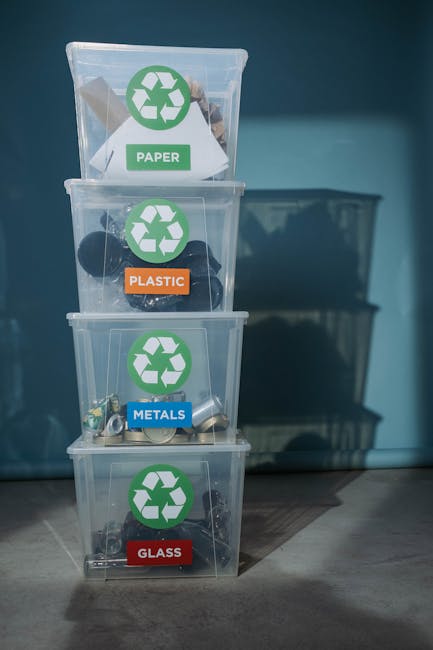
Keep one zone for recycling, one for general waste, and one for items awaiting special disposal. Even if it is just three labelled boxes or bags in a utility corner, it reduces mistakes. People often overcomplicate this, then forget the system after a busy week. Keep it plain.
Think about weather and timing
Northfields weather can be damp enough to soften cardboard and heavy enough to make bags awkward to carry. If you know collection is early, place waste out as late as practical while still following local collection expectations. That helps reduce mess from rain, wind, and curious foxes.
Do not mix sharp and soft waste
Broken glass, old hooks, nails, and stripped wire can tear bags and injure anyone handling them. Wrap sharp items safely and label them if appropriate. A small bit of care here goes a long way.
Plan around decluttering jobs
If you are clearing a bedroom cupboard, a garden corner, or the shed, try to sort items into clear categories before you start moving them out. It speeds everything up and keeps reusable items separate from waste.
Use bulk removal for awkward items
Some things just do not fit normal collection routines: old mattresses, broken wardrobes, dismantled shelving, garden soil, or leftover renovation debris. That is where a flexible option such as house clearance in Ealing can be helpful when you are dealing with multiple items in one go.
Useful rule of thumb: if an item feels awkward, heavy, dusty, sharp, or too large to carry confidently, stop and think before adding it to the standard rubbish pile.
Common Mistakes to Avoid
Most waste collection problems come from small avoidable errors. The good news? They are easy to fix once you spot them.
- Overfilling bags: Heavy bags split, tip, and become harder to lift. Better to use two manageable bags than one overstuffed one.
- Leaving recycling contaminated: Food residue, liquids, or mixed materials can spoil a whole bag of recycling.
- Putting out items too early: Bags left out for too long can get wet, ripped open, or scattered.
- Ignoring local access issues: Blocked pavement space, poor parking, and narrow entrances can make collection harder than expected.
- Treating all waste the same: Some waste is fine in standard streams; some is not. Batteries and electricals are classic problem items.
- Waiting until the last minute: The "I'll sort it later" approach is how clutter turns into a pile you can no longer ignore.
One common issue in flats and shared buildings is people assuming someone else will manage the waste area. That rarely ends well. Shared bins need shared habits. A little courtesy keeps the whole place tidier and less odorous. Simple, really.
Tools, Resources and Recommendations
You do not need much to keep household waste under control, but a few practical tools make the job smoother.
- Sturdy bin liners: Choose bags that match the weight of what you are discarding. Thin bags are a false economy.
- Labelled containers: Useful for separating recycling, food waste, batteries, and small electrical items.
- Folding boxes or crates: Handy for cardboard, paper, and reusables before final disposal.
- Heavy-duty gloves: Especially useful for lofts, gardens, and mixed clear-outs.
- Tape and scissors: Good for flattening packaging and securing awkward items.
For households that generate more waste than the normal collection system comfortably handles, service pages can help you compare options. The most relevant starting points are waste clearance in Ealing and, where garden debris is involved, garden waste removal in Ealing.
If your waste includes internal clutter from a room reset or moving house, you may also want to look at house clearance in Ealing for a more complete solution. Different jobs, different levels of help. No need to make everything fit one box.
Law, Compliance, Standards, or Best Practice
It is worth being careful here. Waste handling in the UK is shaped by general duty-of-care principles, local collection rules, and common-sense safety standards. Household waste should be presented in a way that is safe, tidy, and suitable for collection. If you use a private clearance provider, you should also expect responsible handling, proper transport, and sensible disposal practices.
For residents, the practical takeaway is straightforward: do not place prohibited items into normal household waste if they need separate handling. That includes many electrical items, batteries, and some chemicals. If you are ever unsure, set it aside rather than guessing. Guessing is rarely the cheapest option, even if it feels quicker in the moment.
For private collections or larger removals, it is sensible to choose a provider that explains its process clearly and treats safety seriously. Pages such as insurance and safety, payment and security, and terms and conditions help set expectations in a way that feels reassuring rather than vague.
Key compliance point: if waste is not ordinary household rubbish, treat it as a separate category until you know the correct route. That one habit prevents most avoidable mistakes.
Options, Methods, or Comparison Table
There is no single best method for every household. The right approach depends on volume, item type, and how quickly you need the space cleared. Here is a simple comparison to help you choose.
| Method | Best for | Pros | Limits |
|---|---|---|---|
| Regular household collection | Day-to-day rubbish and recycling | Simple, familiar, low effort | Not suitable for bulky or unusual items |
| Self-sorted drop-off style habit | Households with steady but manageable waste | Good for control and organisation | Still depends on correct sorting and storage |
| One-off waste clearance | Clearing accumulated household items | Fast, practical, less physically demanding | Best used for larger jobs rather than weekly waste |
| Specialist removal for mixed items | Garden debris, bulky furniture, DIY waste | Handles awkward materials more easily | Requires choosing the right service type |
If you are comparing service styles, the most sensible move is to think about what you are removing, not just how much there is. A few large items can be harder than several bags of ordinary waste. Funny how that works.
For local readers who want a broader guide to what the area offers, the article rubbish removal in Ealing Broadway gives useful nearby context, while West Ealing rubbish clearance near Pitshanger Lane essentials adds another nearby perspective.
Case Study or Real-World Example
Picture a typical Northfields household after a long weekend of decluttering. The hallway has flattened boxes, the kitchen has two bags of mixed packaging, the garden has a few tied bundles of cuttings, and the spare room now contains a chair that has clearly seen better decades. Nothing dramatic. Just normal life with a lot of objects in it.
What works best in that scenario is not trying to force everything into one collection day. First, split the items into reusable, recyclable, and disposable. Then check which things belong to ordinary household waste and which need special handling. Cardboard can be flattened. Garden waste can be separated. The chair can be assessed for reuse or removal. Anything sharp, dusty, or too awkward to move safely can be wrapped and staged carefully.
In a real house, this usually takes less time than people expect once the sorting starts. The first ten minutes feel messy. After that, it settles. You get traction. The room begins to look lighter, and that weird little background stress eases off. That is often the best part, honestly.
When the total volume is still too much for normal bins, a one-off removal becomes the practical choice. Not because the household has failed at waste management. Just because some weeks produce more stuff than a standard routine can comfortably absorb.
Practical Checklist
Use this checklist before collection day or before booking extra help:
- Separate general rubbish, recycling, food waste, and garden waste
- Remove liquids, loose sharps, and hazardous-looking items from ordinary bags
- Flatten cardboard and compress packaging where possible
- Double-check that bags are tied securely and not overfilled
- Keep pathways, entrances, and shared areas clear
- Store waste dry and sheltered if collection is not immediate
- Set aside bulky items that may need special handling
- Confirm whether a one-off clearance would save time and effort
- Revisit your sorting system if the same mistake keeps happening
- Leave the area neat after collection so nothing blows about later
Quick reassurance: if your household waste has become unmanageable, you are not the only one. It happens. The fix is usually a better system, not more effort.
Get a free quote today and see how much you can save.
Conclusion
Good waste collection in Northfields is really about rhythm. Once you have a clear sorting habit, sensible storage, and a plan for bulky or awkward items, everything becomes easier. The home feels tidier, collection day feels less hectic, and you stop spending energy on avoidable mess.
For some households, standard collection is enough. For others, especially after a clearance, garden overhaul, or room reset, a more flexible removal service makes far more sense. The main thing is to choose the method that matches the job instead of forcing the job to fit a method that was never quite right. That little shift saves a lot of hassle.
If you keep things simple, stay consistent, and treat waste as part of home maintenance rather than a nuisance to ignore, you will notice the difference pretty quickly. And that is one of those small wins that quietly improves the whole week.