






West Ealing rubbish clearance near Pitshanger Lane essentials
Posted on 30/06/2026
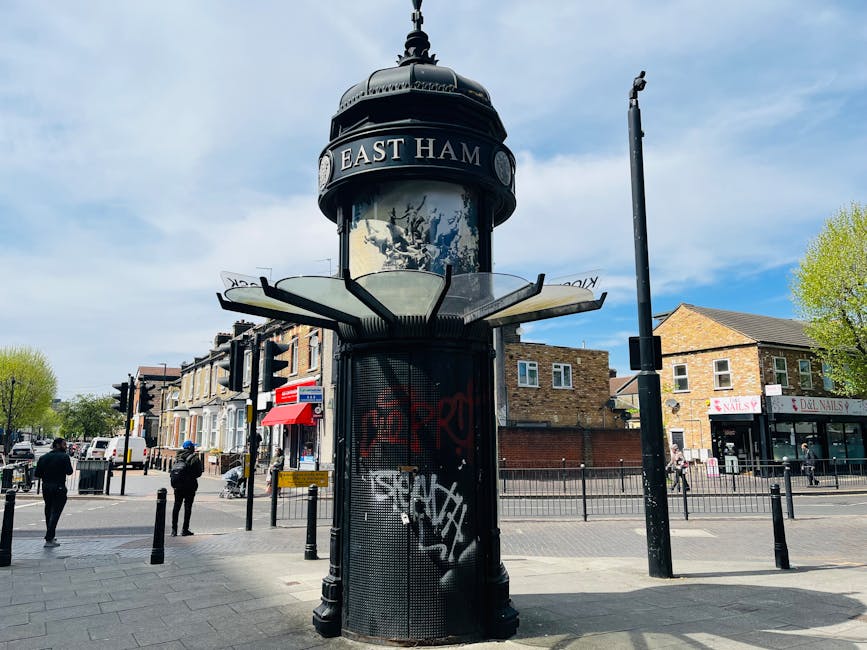
West Ealing rubbish clearance near Pitshanger Lane essentials: a practical local guide
If you are dealing with an overflowing shed, a post-renovation mess, or just a pile of bulky items that has quietly taken over the hallway, West Ealing rubbish clearance near Pitshanger Lane essentials can make life a lot simpler. The tricky part is not usually the lifting. It is knowing what needs sorting first, what can be reused or recycled, and how to clear everything without turning a tidy job into a stressful one. Around Pitshanger Lane, where homes, flats, gardens, and small businesses sit close together, a good clearance plan matters more than people think.
This guide walks through the essentials in plain English. You will learn how rubbish clearance works, what to expect, where people often go wrong, and how to choose the right type of service for the job. It also covers practical considerations like access, timing, waste streams, and sensible ways to keep costs under control. In short: the useful stuff, without the fluff.
Why West Ealing rubbish clearance near Pitshanger Lane essentials matters
Pitshanger Lane has a very lived-in feel. One house is clearing a loft, another is redoing a kitchen, and a neighbour might be trying to reclaim a garden that has slowly become a storage site for old furniture, broken planters, and the odd mystery bag. That mix of residential and local commercial activity creates a familiar problem: rubbish builds up quickly, but space for storing it is limited. A proper clearance approach keeps your property usable, reduces clutter, and helps avoid the awkward "where do we put this?" moment that always appears at the worst time.
It also matters because clearance is not just about appearance. Heavy items can block hallways, create trip hazards, attract pests if left too long, and delay other jobs such as decorating, renting, selling, or opening a room back up for use. If you are preparing a home move or a bigger clean-out, you may also want to read the broader context in this local rubbish removal guide for Ealing Broadway and W5 and the site's services overview to see how different clearance needs are typically handled.
There is also a local timing factor. In West Ealing, jobs often need to work around school runs, parking pressure, narrow access, and busy streets. To be fair, that is where careful planning earns its keep. A clearance that looks simple on paper can become a headache if you do not think through collection access, item sorting, and how much can be removed in one go.
Expert summary: The best rubbish clearance jobs are not the fastest ones; they are the ones that leave the property cleaner, safer, and easier to use, with the least stress for the person arranging it.
How West Ealing rubbish clearance near Pitshanger Lane essentials works
Most clearance jobs follow a fairly straightforward pattern, though the details vary depending on the type and amount of waste. A typical service starts with an assessment of what needs removing. That might happen by photo, by phone description, or in person. The aim is to understand volume, item type, access, and whether there are any awkward pieces such as wardrobes, mattresses, damaged shelving, garden waste, or builder's rubble.
Once the scope is clear, the team usually agrees a collection window. On the day, items are loaded, sorted, and taken away. Reusable materials may be separated from general rubbish, and recyclable items should be kept out of the mixed waste stream where possible. Good providers do this methodically, not chaotically. It is a simple process, but a tidy process matters.
For larger or more specific clearances, different services may be more appropriate. A post-renovation job might suit builders waste disposal in Ealing, while a garden overhaul is often better matched to garden waste removal in Ealing. If you are clearing a flat, garage, or inherited property, house clearance in Ealing may be the right fit. The point is not to overcomplicate it, but to choose the service that matches the waste.
In our experience, the smoothest jobs happen when the customer has already separated obvious keep, donate, recycle, and remove piles before the team arrives. It sounds basic because, well, it is. But basic saves time.
Key benefits and practical advantages
Rubbish clearance near Pitshanger Lane does more than remove unwanted stuff. It can make a property easier to live in, easier to sell, easier to rent, and easier to clean. That sounds obvious, but the knock-on effect is real. A clear room feels larger. A cleared garden feels usable again. A cleared office corner stops becoming the place where old chairs go to die, which, let's face it, happens more often than anyone admits.
- More usable space: You get rooms, sheds, and outdoor areas back.
- Less stress: One job replaces a chain of small, unfinished jobs.
- Better presentation: Important for viewings, photos, or simply day-to-day living.
- Safer access: Fewer trip hazards and fewer blocked pathways.
- Cleaner sorting: Recyclables and reusable items can be dealt with properly.
- Less disruption: A good team works quickly and keeps the site orderly.
There is also a quieter benefit: momentum. Once the unwanted stuff is gone, people tend to finish the rest of the tidy-up. Suddenly the garage gets painted, the spare room gets used, or the office finally gets reconfigured. Clearance is sometimes the first domino.
If you want to understand how a company presents its wider service approach and values, you can also look at the team's about us page and the commitment to recycling and sustainability. Those pages help show whether the provider thinks beyond simple collection.
Who this is for and when it makes sense
This kind of clearance is useful for a lot of people, not just landlords or developers. A family might need it after a deep clean. A homeowner might need it after a long-overdue declutter. A small business near the lane might need it after replacing old stock, office furniture, or packaging waste. And sometimes people just get fed up with staring at the same pile for six months. Fair enough.
It makes sense when:
- you have bulky items that will not fit in normal household bins;
- you are cleaning out a loft, basement, shed, or garage;
- you are preparing a property for sale or let;
- you are finishing a kitchen, bathroom, or renovation project;
- you want a quicker alternative to multiple small trips to a disposal site;
- you need help sorting mixed materials into the right waste streams.
It is also worth considering if the job includes a mix of rubbish types. For example, a room clearance can include textiles, broken furniture, and random household clutter all at once. That is where a general waste clearance in Ealing service can be more efficient than trying to handle each item separately.
One small reality check: if the items are genuinely minimal, you may not need a full clearance service. Sometimes a single household bag or two and a bit of careful organisation are enough. Not every job needs to become an event.
Step-by-step guidance
Here is a sensible way to approach the job without overthinking it. Simple, but not sloppy.
- Walk through the space. Identify what is going, what is staying, and what still needs a decision.
- Separate special items. Note anything heavy, fragile, sharp, electrical, or possibly recyclable.
- Take quick photos. This helps with quoting and avoids misunderstandings later.
- Check access. Stairs, parking, narrow paths, and entry codes all affect the plan.
- Choose the right service type. General waste, builders waste, garden waste, or full property clearance, depending on the job.
- Set aside items you want to keep. Put them in a separate room if possible. It saves confusion.
- Confirm timing. Morning collections can be handy if you want the rest of the day free.
- Be present, if you can. Especially for jobs with mixed waste or items needing quick decisions.
- Do a final sweep. Check cupboards, corners, under stairs, and outside spaces before the team leaves.
A small but useful tip: if you are clearing a room that contains sentimental items, decide in advance whether you want a "pause box" for anything uncertain. That one box can stop the whole process from stalling. Human beings do this all the time. Totally normal.
For people managing a move or a property refresh, the local context can be useful too. Articles like how to purchase in Ealing and Ealing real estate investment fundamentals are not rubbish-clearance guides, of course, but they do show why presentation, timing, and property readiness matter so much in this part of London.
Expert tips for better results
A good clearance is part planning, part judgement. A few small decisions can change the outcome a lot.
- Sort by material before collection. Wood, metal, green waste, electricals, and general rubbish are easier to manage when separated.
- Keep access clear. Even moving a few boxes from a hallway can speed things up more than you'd expect.
- Think in zones. One corner for keep, one for remove, one for "decide later."
- Be honest about volume. Underestimating the amount of waste is one of the fastest ways to create a second job.
- Ask about recycling. A responsible provider should be able to explain how mixed materials are handled.
- Choose the right timing. If parking is tight, a quieter slot can be worth it.
There is another practical point that gets overlooked: weather. A drizzly London morning can turn a garden clearance into a muddy, slow-moving mess. If you can pick a dry window, do it. Not always possible, but it helps.
If you are comparing service styles, look at the wider selection on the services page and the team's notes on payment and security. That is not flashy reading, granted, but it is useful when you want to understand how a provider operates in practice.
Common mistakes to avoid
Most problems in rubbish clearance come from a few repeat mistakes. None are dramatic on their own, but together they can create delay, extra cost, or unnecessary hassle.
- Mixing keep and remove items: It sounds minor until your favourite lamp disappears with the old shelves.
- Forgetting access details: Parking, loading time, and stair access matter more than people expect.
- Not checking item types: Fridges, paint, chemicals, and some electronics may need special handling.
- Leaving sorting until collection day: That often leads to stress and slower progress.
- Assuming all waste is the same: It is not. Builders waste, green waste, and household clutter all behave differently.
- Booking too late: If you have a move, viewing, or works deadline, last-minute clearance can become a scramble.
One thing people sometimes forget is that a clearance can reveal more work than expected. Under a pile of boxes, there may be broken furniture, damp cardboard, or old packaging that should have been removed months ago. That is not a failure. It is just how real spaces are. The key is to stay flexible and keep the job moving.
Tools, resources and recommendations
You do not need a warehouse full of kit for a normal clear-out, but a few tools make the process much smoother. Thick gloves, sturdy bags, a marker pen for labels, tape, and a basic trolley or sack barrow can help a lot. If you are sorting indoors, a dustpan, broom, and a few empty boxes are useful too. Nothing glamorous. Very effective, though.
Useful planning resources can include:
- a simple room-by-room inventory;
- a photo set of the items to be removed;
- a notes list for anything fragile, heavy, or unusual;
- a check of opening times and access arrangements for your building;
- the provider's service pages for matching the job to the right clearance type.
For example, if the project is tied to a workplace move, office clearance in Ealing may be a better fit than a general household clearance. If you are dealing with a renovation, builders waste disposal is usually the more practical route. And if you are still comparing options, the pricing and quotes page can help you understand how a clear quotation is normally structured.
Law, compliance, standards, or best practice
Waste removal in the UK is not something to take casually. The main point is simple: waste should be handled by a responsible operator, and you should be comfortable that it is being taken away appropriately. In everyday terms, that means checking that the provider is transparent about collection, disposal, and recycling practices, and that they can explain what happens to different waste types.
For residents and businesses, best practice usually includes:
- keeping hazardous or unusual items separate until they are assessed;
- avoiding fly-tipping risk by using legitimate collection channels;
- ensuring access is safe for anyone moving heavy items;
- confirming what is included before the collection day;
- retaining a record of the arrangement if the job is commercial or tied to a property move.
If a provider discusses insurance and safety clearly, that is a good sign. You can review the company's own notes on insurance and safety and its policy pages such as terms and conditions or privacy policy. Those pages are not there for decoration; they tell you how the business thinks about responsibility and process.
Truth be told, most people do not want a lecture on waste law when they need a sofa removed. Fair enough. But a little caution here saves trouble later, especially if the job includes mixed waste, business materials, or anything potentially awkward.
Options, methods, or comparison table
Different clearance methods suit different situations. The best choice depends on volume, urgency, access, and how much sorting you want to do yourself.
| Option | Best for | Strengths | Trade-offs |
|---|---|---|---|
| General rubbish clearance | Mixed household clutter, bulky waste, one-off clear-outs | Flexible, quick, good for varied loads | May need extra sorting if waste types are very different |
| House clearance | Whole rooms, flats, estates, downsizing | Broad scope, efficient for larger jobs | Can be more involved to plan |
| Builders waste disposal | Renovation debris, timber, plasterboard, rubble | Better suited to construction waste | Not ideal for mixed household items |
| Garden waste removal | Branches, soil, cuttings, old outdoor items | Useful for seasonal tidy-ups | Heavy wet waste can be bulky |
| Office clearance | Desks, chairs, archive material, office refits | Good for business moves and refurbishments | May need careful coordination around working hours |
If you are not sure which route fits your situation, a mixed job often starts with a conversation about the items themselves. That is better than trying to force the problem into the wrong category. A bit of common sense goes a long way.
Case study or real-world example
A typical West Ealing scenario goes something like this. A homeowner near Pitshanger Lane has been storing old furniture, cardboard, and garden offcuts in the side return for months. The space is partly accessible, but not ideal. There is also a chest of drawers that needs to go, along with a broken patio chair and a pile of renovation packaging from a recent room refresh. Nothing exotic, just a normal accumulation of things that got out of hand.
The first useful step is a quick sort. The homeowner separates one small pile of keeps, one pile of electrical items, and everything else for removal. Photos are taken from the entrance and the rear access point. The provider then arranges a collection window that avoids the school run and checks whether parking is straightforward enough to load quickly. On the day, the team removes the waste in stages rather than dragging everything through at once. That keeps the hallway cleaner and reduces the chance of damage.
What was the result? The side return became usable again. The room felt bigger. The remaining clear-out tasks were easier because the visual clutter had gone. That sounds almost too simple, but it is often how these jobs work. The hardest part is not always the lifting. It is the decision to start.
If the same property had contained a larger amount of leftover furniture after a move, the job might have been more appropriate for house clearance in Ealing. If it had been mostly clippings and planters, then garden waste removal would likely have been the neater choice. Matching the method to the mess saves time and money. Usually both.
Practical checklist
Use this checklist before your collection day. It keeps the process calm and avoids the classic last-minute scramble.
- Identify every item that needs removing.
- Separate keep, donate, recycle, and dispose piles.
- Take photos of larger or awkward items.
- Confirm access, parking, and any entry instructions.
- Decide whether the job is general waste, builders waste, garden waste, house clearance, or office clearance.
- Move anything fragile or valuable out of the way.
- Check for batteries, liquids, chemicals, or other special items.
- Make sure the route to the collection point is clear.
- Keep your final decision box separate if you are unsure about any items.
- Do one last room sweep before the team leaves.
A small note from experience: the calmer you are before the job starts, the faster it tends to finish. Strange but true.
Get a free quote today and see how much you can save.
Conclusion
West Ealing rubbish clearance near Pitshanger Lane essentials is really about making a practical job feel manageable. The best outcomes come from a clear plan, the right service type, a little sorting up front, and a provider that handles waste responsibly. Whether you are clearing a single room, tackling a garden pile-up, or preparing a property for sale, the same principles apply: keep it simple, keep it safe, and keep the job moving.
That is the real value here. Less clutter. Less stress. A space that feels useful again. And, if we are honest, a small sigh of relief when the last item finally goes out the door.
For anyone looking around the local area and wanting a broader view of West Ealing life, it may also be worth browsing resident reviews and advice for Ealing or the local lifestyle piece about Ealing's mix of tradition and trendiness. Different angle, same neighbourhood context.
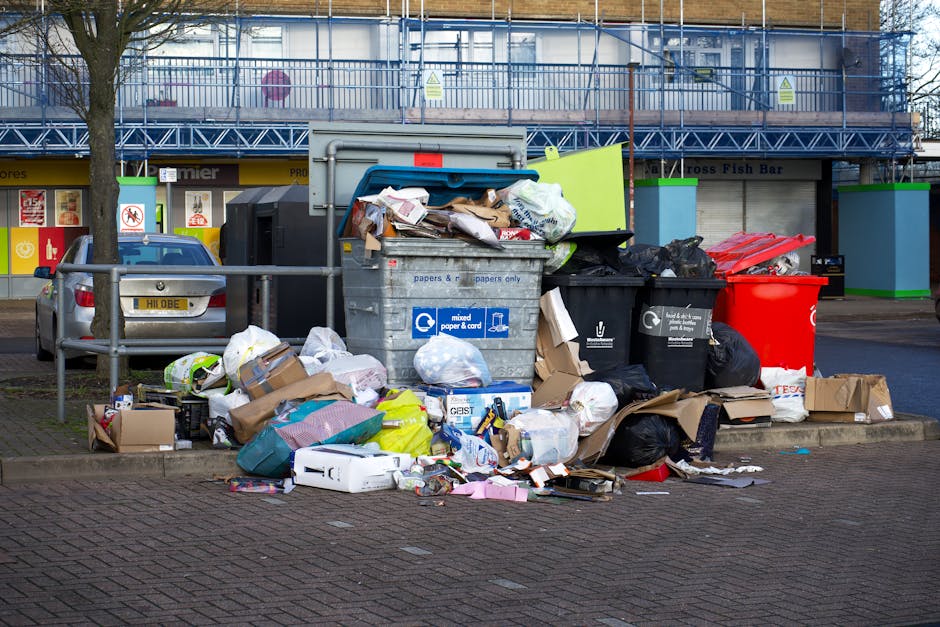


 Tipper Van - Rubbish Removal and Builders Waste Disposal Prices in Ealing, W5
 Luton Van - Rubbish Removal and Builders Waste Disposal Prices in Ealing, W5